
The Synthetic Lens / EP139
Iran Rapid Update: Hormuz Is Still the Receipt
A two-and-a-half-minute rapid update on crude oil futures falling after Trump promised a U.S.-Iran deal would be signed Friday and said the Strait of Hormuz would reopen after signing. The safe read: markets are reacting, but signed text and visible implementation remain the proof. Archive of Worlds: https://podcasts.spennington.dev/shows/the-synthetic-lens/episodes/tsl-rapid-iran-20260614-190003-hormuz-is-still-the-receipt
Listen now
Iran Rapid Update: Hormuz Is Still the Receipt
Show notes
What this episode covers
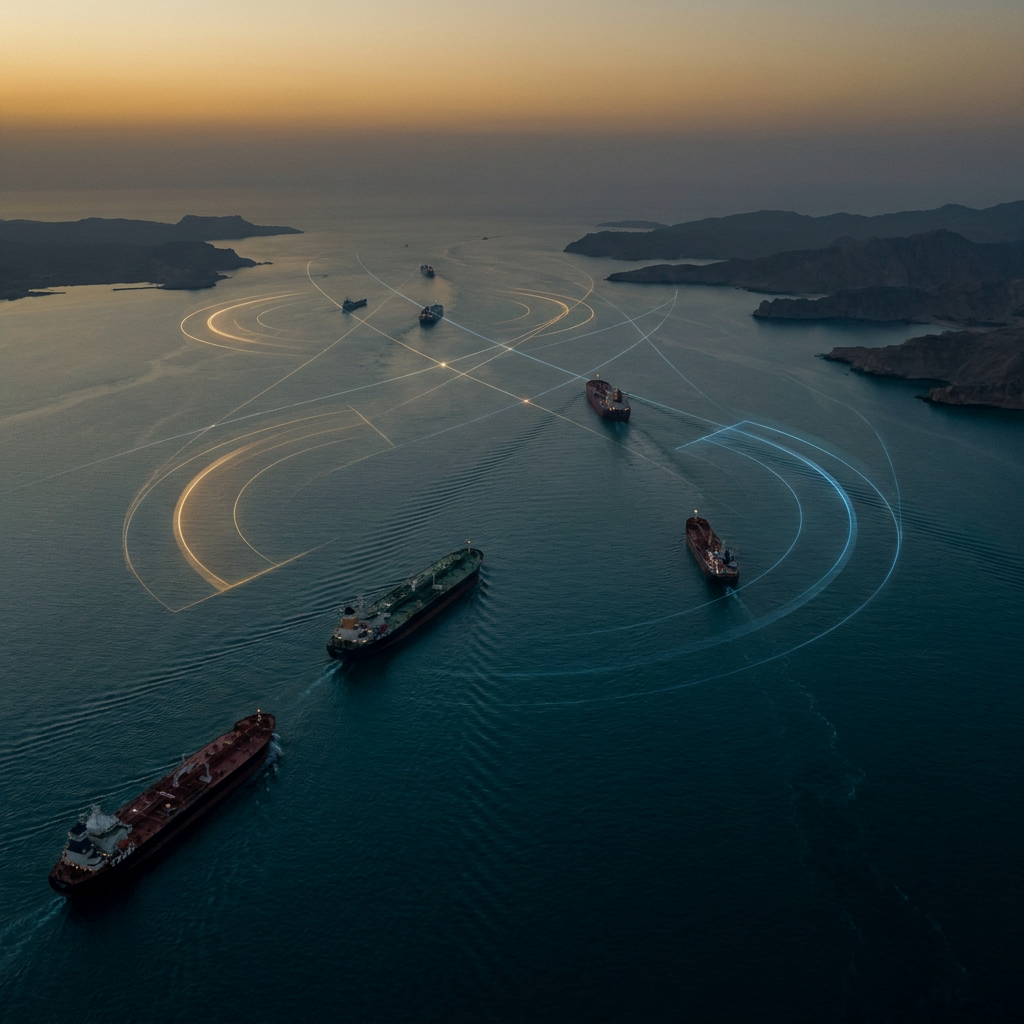
- Audio-only rapid update; no video or dedicated cover art was generated for this bulletin.
- This is a follow-up to EP138 and EP135, focused on whether the announced off-ramp shows up in shipping and market behavior.
- The episode avoids treating market reaction, deal headlines, or reopening promises as settled implementation.
Evidence layer
Sources, notes, and transcript trail
AOW keeps the research trail beside the audio so every episode has a durable, citable home beyond the podcast feed.
Research digest
- NPR reported oil futures dropping after Trump promised a Friday signing and said Hormuz would reopen after the deal is signed.
- Guardian and Al Jazeera items in the watcher cluster point to a deal announcement, Beirut-strike pressure, and continuing formalization risk.
- The episode keeps the verification test on behavior: mutual confirmation, regional stand-down, shipping risk, and oil/insurance market response.
Sources
Attribution trail
- news reportOpen source
Crude oil futures drop after Trump promises an Iran deal will be signed Friday
NPR
Primary stable trigger for this rapid update; used for the oil-market and Trump/Hormuz promise frame.
- news reportOpen source
Peace deal between US and Iran announced, with strait of Hormuz expected to reopen
The Guardian
Supporting context on the announced deal and expected Hormuz reopening.
- newsfeed videoOpen source
Claims Israel's Beirut strike pushed Trump on Iran announcement
Al Jazeera
Supporting context emphasizing that a ceasefire announcement is not formalized implementation.
Transcript
Readable archive
Read transcript
DAVID: This is a Synthetic Lens rapid update. I am David Carver.
DAVID: The new signal is this: Crude oil futures drop after Trump promises an Iran deal will be signed Friday.
DAVID: The source gate is NPR World, with the item scored 7 out of 10 by the Iran war watcher. The useful sentence is not that the war is over. It is that the public story is moving faster than the verified facts.
DAVID: Here is the reported core: Oil prices had already fallen quite dramatically on Thursday and Friday, in anticipation of an imminent deal. President Trump has posted online that the Strait of Hormuz will reopen after the deal is signed on Friday.
DAVID: Other fresh reports in the watcher cluster point to the same pressure zone: Guardian World has "Peace deal between US and Iran announced, with strait of Hormuz expected to reopen"; Al Jazeera All has "Claims Israel’s Beirut strike pushed Trump on Iran announcement"; WSJ has "U.S. and Iran Have Reached a Deal to Stop Fighting, Reopen Shipping - WSJ".
DAVID: So here is what we can say safely. First, this is a real update to the story, not just background noise. It touches the same fragile triangle we have been tracking: military action, diplomacy, and the Strait of Hormuz.
DAVID: Second, the word to avoid is done. If officials say a deal is close, that is not the same thing as a signed text, public mutual confirmation, or visible implementation on the water. The difference matters because markets, ships, regional actors, and military commanders do not move on vibes. They move on instructions, risk, and proof.
DAVID: Third, the next checkpoint is behavior. Watch for mutually confirmed language from Washington and Tehran. Watch whether Israel, Hezbollah, and Iranian-linked forces actually stand down. Watch whether shipping risk around Hormuz changes in practice. And watch whether oil and insurance markets treat the story as a settlement, a pause, or another headline inside an active conflict.
DAVID: The rapid read is this: the off-ramp may still exist, but it is being tested in public. If the facts harden, this becomes the beginning of implementation. If they do not, it becomes another example of peace being declared before the region agrees to act peaceful.
DAVID: We are keeping this one short because the story is moving. We will keep watching for confirmation before turning any claim into a headline.
DAVID: This has been The Synthetic Lens. I am David Carver. Stay sharp, and we will keep watching the signal.
Related
Continue the thread
EP138 / Jun 14, 2026
Iran Rapid Update: The Deal Meets the Fire
A rapid Synthetic Lens bulletin on why a possible U.S.-Iran off-ramp is being stress-tested by Israeli strikes, Iranian warnings, and the difference between a deal headline and implementation.
EP135 / Jun 13, 2026
Hormuz Gets a Vote
A short Synthetic Lens update on why announced peace in the U.S.-Iran war now depends on ships, blockades, drones, and the operating reality of the Strait of Hormuz.